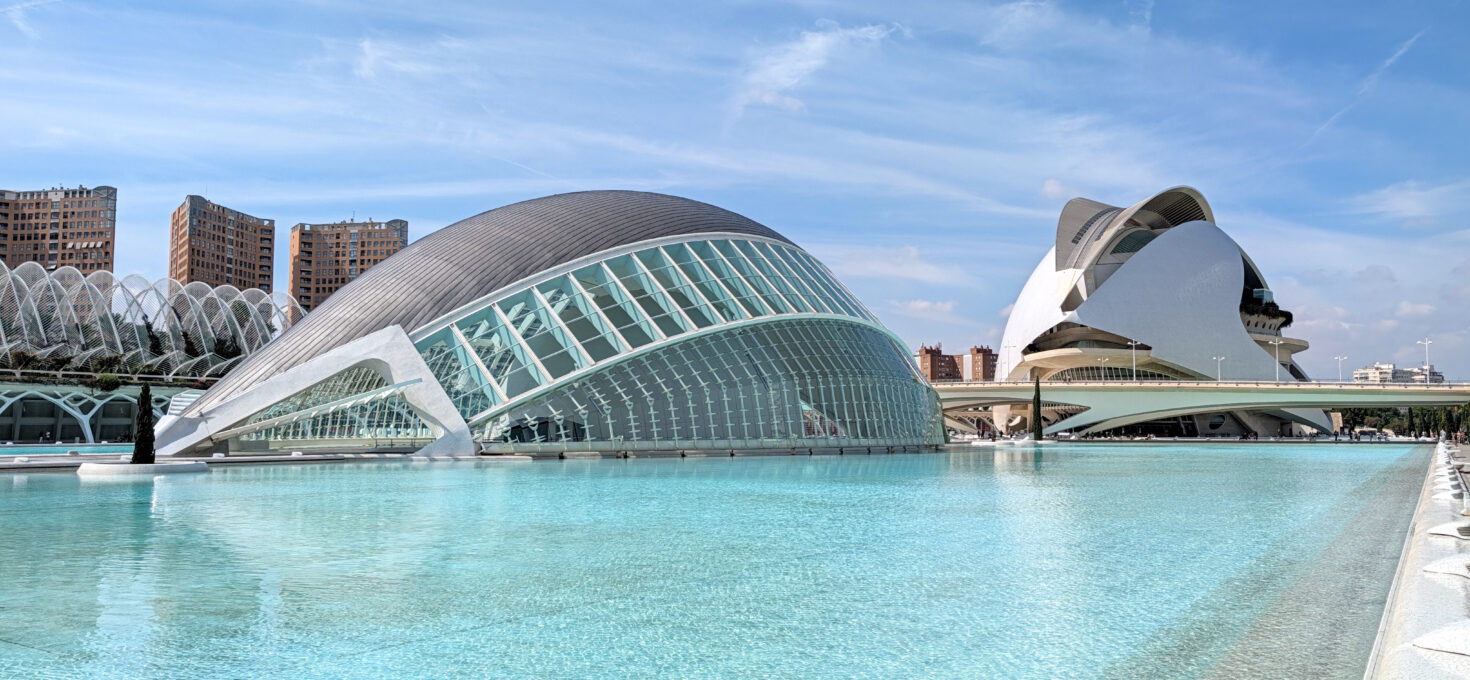
With most travelers opting for Barcelona, Madrid and Seville on their first trip to Spain, Valencia is often overlooked. But did you know Valencia is the third largest city in Spain?
We spent a couple days in this sunny city located in Spain’s Costa de Valencia region in end of September. Valencia was just one stop on our two-week road trip across Spain. Before heading there, we spent a few days in Alicante, taking a couple of day trips to explore the nearby coastal towns.
We were initially skeptical about including Valencia in our itinerary but so glad we did! We absolutely loved it! While Barcelona can feel hectic and Madrid overly touristy, Valencia offers a much calmer seaside alternative. Fewer crowds allow for a more authentic Spanish experience, and its compact layout makes it easy to explore at a relaxed pace.
And lastly, what truly seals the deal for Valencia, though, is its unforgettable culinary scene. It is the birthplace of paella, and you can get some absolutely phenomenal versions here. Valencia also has a lovely beach just 20 minutes by from the city centre. Convinced to visit now 😉
In addition to Valencia, I visited a few more cities on my two-week long Spain road trip. For detailed guides on all Spanish cities visited on this trip, please click here.
Best Way to Reach
Being a major Spanish city, Valencia is well connected by air, train and road.
By plane: Valencia has its own airport. You can find several flights to Valencia from major European cities. You can also find flights to Valencia from Madrid and Seville.
By train: A direct train from Barcelona will take you to Valencia in less than 3 hours. From Madrid, it takes 2 hours.
By car: Like us, if you are visiting Valencia along with other towns in Spain, then, renting a car will give you the most flexibility. We visited Valencia along with Alicante, Denia, Xabia and a few more coastal towns. Having a car at our disposal was convenient and economical vs taking multiple buses and trains.
Best Way to Get Around
Valencia’s city centre is perfectly walkable, with many main attractions within walking distance of each other. Even the farthest attractions, like the beach and the futuristic City of Arts and Sciences, are just a quick bus ride away. A single bus ride costs €2 each. If you plan to use it frequently, then advisable to buy the 10-ride pass. While this pass generally costs €10, currently, it is available at a discounted rate of just €5.4 (prices in effect until December 2026).
Where to Stay
We stayed at AC Hotel Valencia located at walking distance from the City of Arts and Sciences. We used the bus to reach the city center and it was a seamless experience.
How Many Days required
At least 2 full days. If you want to explore the nearby towns and do day trips, then spend 3-4 days.
Best Time to Visit
Valencia is a great place to visit any time of the year due to its distinct Mediterranean climate. However, I would recommend visiting between March/April and late September to the end of October if you want to avoid too much heat. Weather is pleasant and the water isn’t too cold for swimming. Summer months can get unbearably hot and the city can be very crowded. Also, winter isn’t a bad time to plan a trip to Valencia either – the average temperatures are quite mild, but of course, not ideal for swimming.
Valencia Tourist Card
If you plan to visit multiple sights, then check out the Valencia Tourist Card. The card is available for 24, 48 or 72 hours and costs between €15 – €27. With this card, you have free admission to a few museums and can save up to to 50% on certain attractions. Even public transport, including the use of public transport to and from the airport to the city center is FREE with this card.
Places to Visit/ Things to Do
City of Arts of Sciences
One of Valencia’s most unique attractions in Valencia and probably all of Spain, is the City of Arts of Sciences. If you Google Valencia, chances are that this structure is probably one of the first images you see!
This complex is home to Europe’s largest aquarium, a science museum, an IMAX, a planetarium, an opera house, and can take a full day to explore! Some of the most famous buildings here are:
- L’Hemisfèric – An eye-shaped building that houses an IMAX cinema, a digital 3D theater and a planetarium.
- Museu de les Ciències Príncipe Felipe – An interactive science museum shaped like a whale skeleton.
- L’Umbracle – An open-air garden and landscaped walk with numerous native plants.
- L’Oceanogràfic – Europe’s largest aquarium, featuring over 45,000 marine animals.
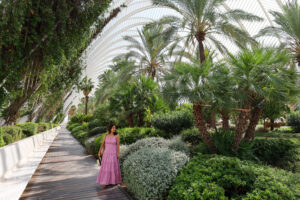
Be sure to check out the views from L’Umbracle – it provides some unique perspectives of this place.

You can buy single / combo tickets. Tickets cost between €10-50, depending on the attraction you choose. Most visitors choose the Oceanogràfic and Science Museum combo, which costs €45 for adults. If you are traveling with kids, this one is a no brainer. If you have the 72-hour Valencia Tourist Card, then tickets are available at a 15% discount.
The entire complex is futuristic and unique and worth checking out even if you don’t plan on going into any of the exhibits. Simply walk around, admire the beautiful structures, or listen to the birds chirping in Umbria.
Cathedral
Valencia Cathedral (Catedral de Santa María de Valencia) is right in the heart of the city. The building features a striking mix of Romanesque, Gothic, Renaissance, and Baroque styles built over a former mosque and Roman temple.
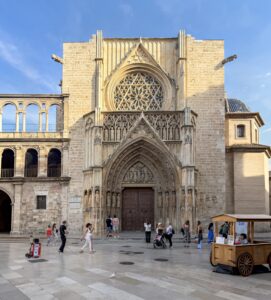
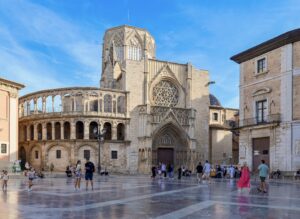
Entry fee is €12 and worth visiting since it blends centuries of rich history, unique art, and major religious relics right in the heart of the city’s old town. It houses the Holy Grail, the revered agate cup believed to be the authentic chalice used by Jesus at the Last Supper.
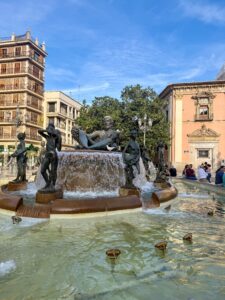
After you are done, check out the beautiful Plaza de la Virgen. It is a lively, pedestrian-only square framed by major architectural and cultural landmarks. Check out the bronze fountain featuring a central recumbent male figure representing the Turia River, surrounded by figures symbolizing the region’s historic agricultural irrigation canals.
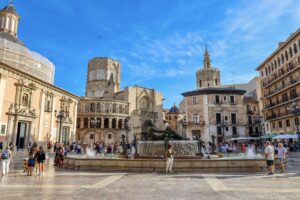
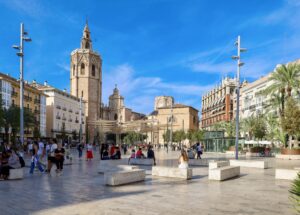
A few steps away lies another lively plaza, Plaza de la Reina, where you can enjoy tapas, a few drinks or an horchata with unbeatable views of the Cathedral and the Miguelete. The perfect place to rest in between all the city strolling.
Check out the Viewpoints
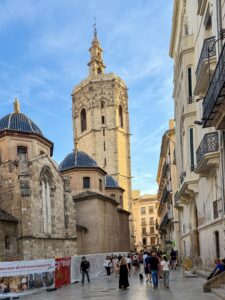
After you are done visiting the Cathedral, climb the spiral staircase of the adjacent El Miguelete (Micalet) bell tower for a 360-degree bird’s-eye view over Valencia’s historic rooftops and plazas. You need to climb a narrow spiral staircase (207 steps), but it is worth it for the incredible views it offers. Entry tickets cost €3.
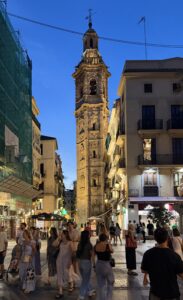
Torre de Santa Catalina is another place in the city which provides a panoramic view of Valencia and its cathedral. You need to climb around 130 steps to get to the top before you can finally enjoy the view. The biggest and most obvious advantage is that you have the cathedral in view if you are here. Tickets cost €2.
Torres de Serranos – This tower offers the old city view as well as Turia Gardens. Tickets cost €2 and entry is free with the Valencia Card.
Valencia also has some amazing rooftop bars and restaurants. From these rooftop bars, you can admire some of the city’s most beautiful landmarks while enjoying a cocktail in hand. Atenea Sky is the most famous one which overlooks the iconic Plaza del Ayuntamiento. 270 Sky Bar is another one for enjoying views of the City of Arts and Sciences. If you plan on visiting, advisable to make reservations in advance. Also, try visiting shortly before sunset.
Stroll and Shop the Central Plaza del Ayuntamiento
Plaza del Ayuntamiento is the city’s main square and one of the gems of Valencia’s Old Town. This is a pedestrian zone and a great place to admire the city’s beautiful architecture. Everywhere you look, you will spot buildings with beautiful architecture! The main water fountain is equally impressive and beautifully lit up at night.
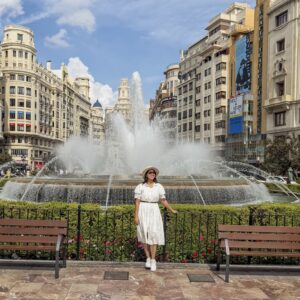
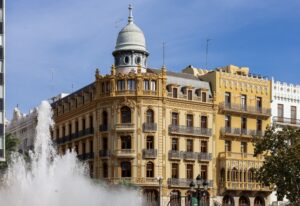
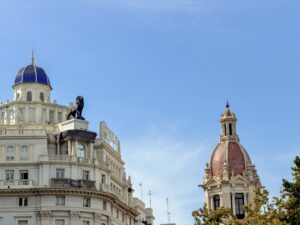
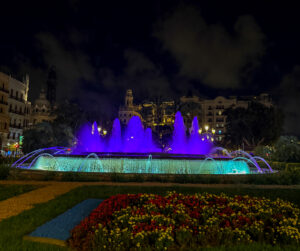
This area is buzzing with people any time of the day.
You can even walk inside the Plaza del Ayuntamiento (Valencia City Hall) for free on Monday to Friday from 8 am to 2 pm. The visit lets you tour the Crystal Hall, the history museum, and step right out onto the famous main exterior balcony overlooking the square. We reached here just a few minutes before closing time so sadly couldn’t visit. Would have loved to go to the balcony for the panoramic view over the grand central square. Alas, another time!
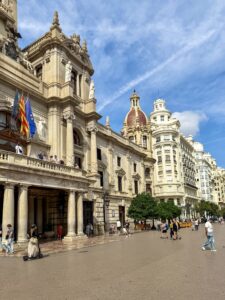
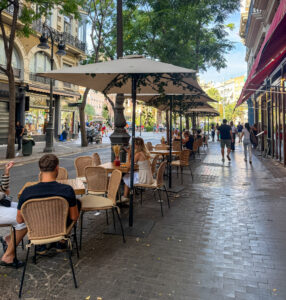
From here, you can actually walk up to Plaza de Reina and Plaza de la Virgen – the whole path is lined up with cafes, restaurants, bars, ice cream shops, souvenir shops as well as stores.

Central Market
Opened in 1928, València’s Central Market, is a fine example of the city’s Art Nouveau architecture and one of the most impressive markets in Europe. It features colourful ceramic tiles, stained glass, and an impressive dome.
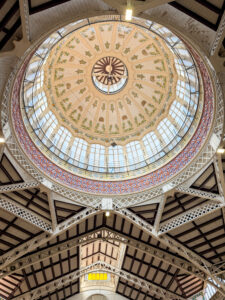
Once you step inside, you will find more than a thousand stalls selling fresh produce, seafood, cured meats, cheeses, spices, sweet treats and a wide range of food including paella!
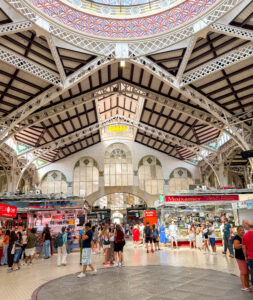
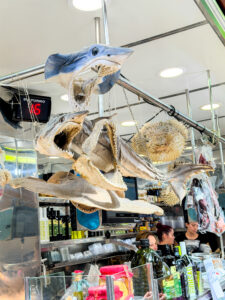
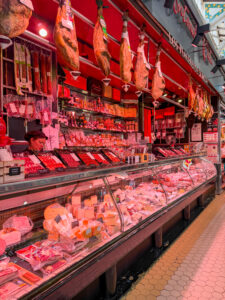
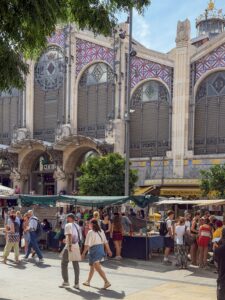
There is even a flea market held every Sundays right outside this market. Here you will find everything from clothes, to purses to shoes to socks and so on.
Also, don’t forget to snap a photo outside the colorful tiled walls.
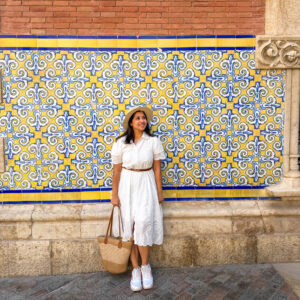
Mercat de Colon, another local market, is also worth checking out.
Playa de la Malvarrosa
This beach is slightly far from the city center but can be easily reached by bus. The beach is miles long and very wide and has a lovely promenade. On hot summer days, you can imagine the beach completely crowded with people.
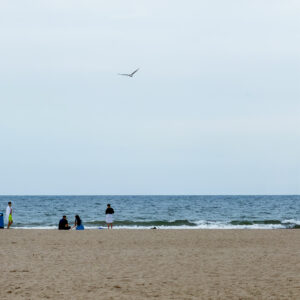
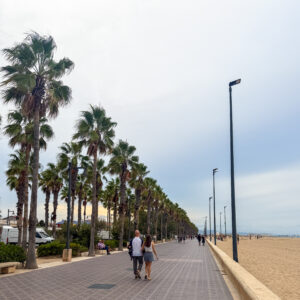
When we visited there was a volleyball tournament going on and it was a whole lot of fun watching that with running commentary 😄

You will also find restaurants lined up, one after the next, along the beach promenade.
La Lonja de la Seda
Built between 1482 and 1533, this was originally used for trading in silk and was a centre for commerce. Declared a UNESCO World Heritage Site in 1996, the Lonja is more than just a monument – it gives you a peek into an era when the city was a key hub for international trade. Entry tickets cost €2.
Torre de Serranos
The former medieval city gate is located near the northern border of the old town and can be easily reached on foot. These towers formed what was once one of twelve entries through the original medieval city gates. Constructed in 1392, they are one of Valencia’s most iconic sights.
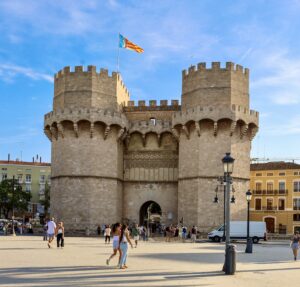
As mentioned earlier, you can even climb to the top for amazing views of the city.
Turia Gardens
The Turia Gardens are one of Valencia’s most unique features. After multiple devastating floods, the government decided to divert the Rio Turia to end potential flooding in Valencia for good. Since then, the riverbed has been converted into a recreational area.
A massive 9-kilometer green park has been built inside a drained riverbed. Nowadays, the locals use this garden fpr for running, cycling, and relaxing. The gardens stretch from the Bioparc to the City of Arts and Sciences.
It is completely car-free and makes for a scenic walk. You can even rent a bike and explore.
Plaza de Toros de Valencia
This Colosseum-like structure was built between 1850 and 1859 by Valencian architect Sebastián Monleón Estellés. As you can see, this structure was directly inspired by ancient Roman architecture like the Colosseum in Rome and the Arena of Nîmes.
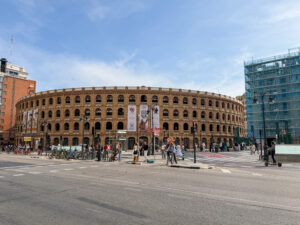
It can hold roughly 12,000 spectators. Beyond traditional bullfights during events like the Fallas Festival and the July Great Valencia Fair, it hosts concerts and cultural shows. It also houses an attached Bullfighting Museum (Museo Taurino).
Cat House
Casa de los Gatos or Casa dels Gats (Cat House) is the cutest little animal shelter in Valencia.
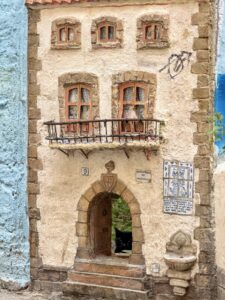
It is essentially a miniature house for cats in Valencia’s El Carmen neighborhood. Created in 2003 by artisan Alfonso Yuste Navarro, the three-storey facade reproduces a tiny Valencian house complete with a cat door, a small fountain and detailed windows.
Since it is located at the lower section of the wall, it is easy to miss if you aren’t paying attention.
Spot the narrowest house in the city
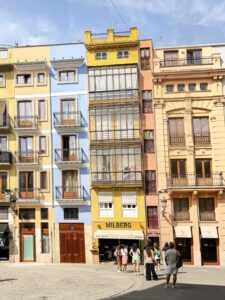
The narrowest building in Valencia is La Estrecha and it is widely celebrated as the skinniest one in Europe! It is just steps away from Plaza de la Reina.
What to Eat/ Drink
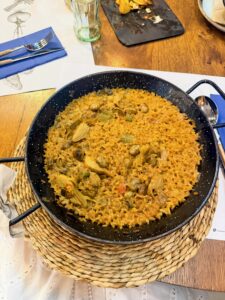
Paella, the most iconic Spanish dish, originated in the Valencian region of Spain. This delicious mixture of rice, meats, seafood, and vegetables is a flavorful dish and a must try when in Valencia. You can even learn to make your own by signing up for Paella Cooking Class.
You will notice paella being served in almost every restaurant. However, most restaurants require a minimum of two people to order paella because it is cooked in a wide, shallow pan designed for sharing. It typically costs €35 for a 2 portion paella. We managed to find a single paella serving at Restaurante Haus located right in the city. It was delicious !
As you are walking around the city, you will see bars selling Agua de Valencia everywhere. It is a unique local cocktail made of champagne, orange juice (fresh Valencia oranges), vodka, and gin. We were intrigued and wanted to try it so grabbed one at Los Gomez bar. It was so good!
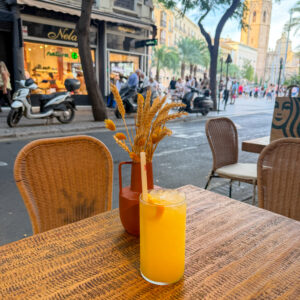
Another drink that you will frequently spot as you are walking around the city is Horchata. It is a milky drink made with tiger nuts, sugar and water goes perfectly with a sweet pastry called fartons.
The most famous cafe to taste Horchata is the iconic Horchatería Santa Catalina. It opened sometime in the 19th century and has more than 200 years of history and tradition. It is located in a small alley near the Plaza de la Reina. I found Horchata a little too sweet for my taste but loved the creamy fartons. Both are worth trying out when in Valencia.
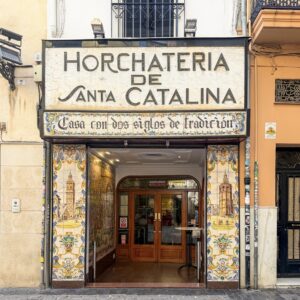
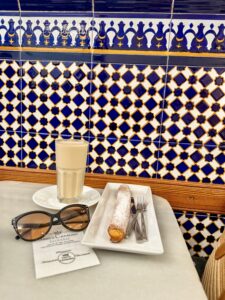
If Horchatería Santa Catalina is too busy, you can try this drink almost anywhere in Valencia. Another great place to find excellent horchata options is the Mercado de Colón!
Day Trips
Xàbia
Xàbia / Jávea is a scenic coastal town in the Costa Blanca region of Spain. This town is well worth visiting if you enjoy a mix of historic charm, clear turquoise coves, and a more relaxed, upscale Mediterranean vibe.
The old town features cobbledstone streets, whitewashed houses, Gothic architecture, local food markets and historic squares. Platja de l’Arenal is the main sandy beach backed by a lively promenade of cafes, boutiques, and restaurants.
Beyond the main sandy beach, the coastline features dramatic rocky coves with crystal-clear water like Cala de Portixol and Playa de la Granadella, ideal for kayaking, snorkeling and boat trips.
I spent a few hours at Cala de Portixol including the lively bar, Cala Clemence. It is a cute beach with colorful huts. The beach is sadly pebbly but water is crystal clear.
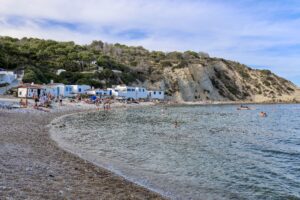
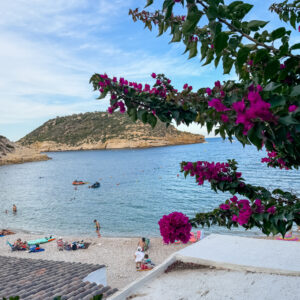
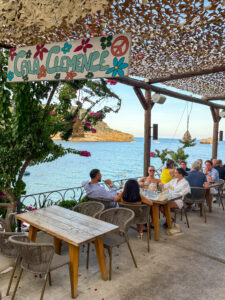
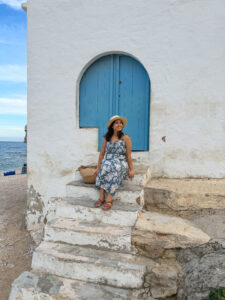
Cala de Portixol has a parking lot right outside (costs €9 for the entire day).
Xàbia and Cala de Portixol are around 2 hour drive from Valencia.
Another 10 minute drive from Cala de Portixol is the Granadella Beach, known for crystal-clear, turquoise-emerald waters, a smooth pebble seabed. It has, in fact, been twice voted as Spain’s best beach! The water here is so clear that you can see hundreds of colorful fish when you go for a swim. The beach isn’t too big, though, So you may need to get here early to grab a spot, especially during the busy summer months.
Alicante, Altea, Guadalest
I started my journey into Costa Blanca from Alicante and slowly made my way up to Valencia. I spent 2 days exploring Alicante, Altea, Guadalest and Cala de Portixol before reaching Valencia.
Click here for a detailed guide on Alicante, Altea, Guadalest.
*Prices as of September 2026